Best Temples in Mumbai – Top Spiritual Spots
Explore Mumbai's best temples offering rich heritage, serene ambiance, and easy access for devotees and tourists in 2026.
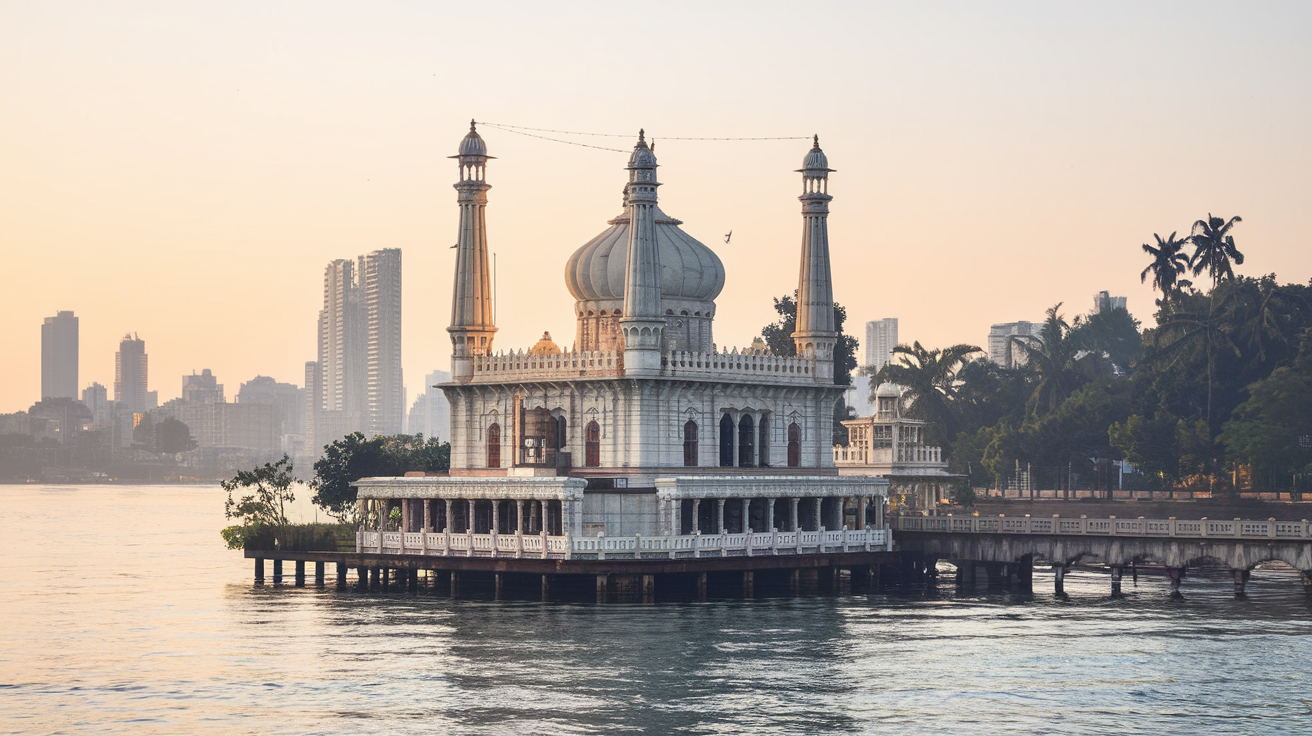


Mumbai is a city where tradition and modernity blend seamlessly, and its temples reflect this unique cultural mix. Whether you seek spiritual solace or want to explore architectural beauty, Mumbai's temples offer a peaceful retreat from the city's hustle. In 2026, these sacred places continue to attract devotees and visitors alike.
In this article, we will guide you through some of the best temples in Mumbai. You will learn about their significance, location advantages, and what makes each one special. This will help you plan your visits with confidence and enrich your spiritual journey.
1. Siddhivinayak Temple
The Siddhivinayak Temple is one of Mumbai's most famous Hindu temples dedicated to Lord Ganesha. Located in Prabhadevi, it attracts thousands daily due to its spiritual importance and central location. The temple's architecture and rituals make it a must-visit for devotees.
Location: Situated in Prabhadevi, near Dadar railway station, easily accessible by local trains and buses.
Devotee Experience: Offers a peaceful atmosphere despite crowds, with well-organized queues and timely aarti ceremonies.
Facilities: Provides free drinking water, clean restrooms, and a small shop for religious items.
Timings: Open from early morning till late evening, with special prayers on Tuesdays attracting larger crowds.
Accessibility: Wheelchair-friendly ramps and assistance available for elderly visitors during peak hours.
This temple suits all visitors, especially those seeking blessings for new beginnings or success. Families and first-time visitors will find the location convenient and the atmosphere welcoming.
2. Mahalaxmi Temple
Mahalaxmi Temple, dedicated to Goddess Lakshmi, is a historic temple located near Mahalaxmi railway station. It is known for its beautiful idol and traditional festivals celebrated with great enthusiasm.
Location: Close to Mahalaxmi station, making it accessible for daily commuters and tourists alike.
Festivals: Navratri and Diwali see vibrant celebrations with special decorations and rituals.
Architecture: Features classic Hindu temple design with intricate carvings and a serene inner sanctum.
Visitor Amenities: Offers a clean prayer hall and a small canteen serving prasad to devotees.
Security: Well-monitored premises ensuring safety during large gatherings and festivals.
This temple is ideal for devotees interested in traditional worship and cultural festivities. Its proximity to transport hubs makes it suitable for quick visits or extended prayers.
3. Babulnath Temple
Babulnath Temple is an ancient Shiva temple located near Girgaum Chowpatty. It is famous for its peaceful environment and panoramic views of the Arabian Sea, attracting both devotees and tourists.
Location: Near Girgaum Chowpatty beach, accessible by bus and local trains to Charni Road station.
Spiritual Significance: Known for its powerful Shiva lingam and daily Rudrabhishek rituals.
Ambience: Quiet surroundings with a small garden area for meditation and reflection.
Timings: Open from early morning to late evening, with special night prayers on Mondays.
Visitor Support: Offers guidance for first-time visitors and has multilingual volunteers during festivals.
Babulnath Temple is perfect for those seeking a calm spiritual experience combined with scenic views. It suits solo visitors, couples, and families looking for a serene spot near the sea.
4. Mumbadevi Temple
Mumbadevi Temple is dedicated to the city's patron goddess, Mumbadevi. Located in Bhuleshwar, it is one of Mumbai's oldest temples and holds great historical and religious importance.
Location: Situated in the bustling Bhuleshwar market area, easily reachable by local trains and buses.
Heritage: The temple dates back several centuries, reflecting Mumbai's cultural roots.
Devotional Practices: Daily aarti and special pujas during festivals draw large crowds.
Accessibility: Narrow lanes may be challenging for vehicles but accessible by foot from nearby stations.
Nearby Attractions: Close to markets for traditional shopping and street food experiences.
This temple is best for heritage lovers and devotees interested in Mumbai's origins. It suits visitors who enjoy exploring local markets alongside spiritual visits.
5. ISKCON Juhu Temple
The ISKCON Temple in Juhu is a modern spiritual centre dedicated to Lord Krishna. It is known for its vibrant community activities, vegetarian food offerings, and peaceful surroundings near Juhu Beach.
Location: Located near Juhu Beach, accessible by bus and auto-rickshaw from major city points.
Community Events: Regular bhajans, lectures, and cultural programs engage visitors actively.
Facilities: Spacious prayer halls, a vegetarian restaurant, and a gift shop for devotees.
Visitor Experience: Welcomes tourists and locals with guided tours explaining Krishna consciousness.
Timings: Open throughout the day with special evening aarti attracting large gatherings.
This temple suits those interested in devotional music, community participation, and a relaxed beachside environment. It is family-friendly and popular among young adults.
6. Walkeshwar Temple
Walkeshwar Temple is an ancient Shiva temple located in the upscale Malabar Hill area. It is famous for its peaceful setting and the nearby Banganga Tank, a sacred water body.
Location: Situated in Malabar Hill, close to the Hanging Gardens and accessible by local transport.
Historical Value: Dates back to the 12th century, offering a glimpse into Mumbai's spiritual past.
Scenic Surroundings: The temple overlooks the Banganga Tank, adding to its tranquil atmosphere.
Visitor Facilities: Clean premises with benches and shaded areas for rest and meditation.
Accessibility: Easy access for elderly visitors with nearby parking and gentle pathways.
Walkeshwar Temple is ideal for visitors seeking historical depth and serene surroundings. It suits quiet reflection and those combining sightseeing with spiritual visits.
When to Visit or Use These Best Temples in Mumbai
The best time to visit Mumbai's temples depends on your preferences for crowd levels and weather. Early mornings offer calm and fewer visitors, while festivals bring vibrant celebrations. Monsoon season adds a refreshing atmosphere but may affect travel convenience.
Visit early mornings on weekdays to avoid crowds and experience peaceful prayers in most temples.
Attend major festivals like Ganesh Chaturthi or Navratri for lively rituals and cultural immersion.
Monsoon months (June to September) provide cooler weather but expect occasional travel delays.
Weekends are busier; plan visits accordingly if you prefer less crowded environments.
How to Choose the Best Temple in Mumbai
Choosing the right temple depends on your spiritual needs, location, and convenience. Consider your interest in specific deities, accessibility, and the kind of experience you seek, whether quiet reflection or vibrant festivals.
Check the temple’s location relative to your stay or travel route to minimize commute time and ease access.
Read recent visitor reviews to understand crowd patterns, cleanliness, and overall atmosphere.
Consider your budget if you plan to buy prasad or souvenirs, as prices vary across temples.
Assess hygiene and safety measures, especially during large gatherings or festivals.
Look for temples with facilities like parking, restrooms, and accessibility for elderly or differently-abled visitors.
Choose temples that align with your spiritual focus, such as Shiva, Ganesha, or Krishna worship.
By comparing these factors, you can narrow down temples that best fit your preferences and make your visit more meaningful and comfortable.
Conclusion
Mumbai’s temples offer a rich tapestry of spiritual experiences, from ancient heritage sites to lively modern centres. Each temple has its own charm, history, and community, making them valuable places for worship and cultural exploration.
By understanding their unique features and planning your visits thoughtfully, you can enjoy peaceful moments or festive celebrations. This guide aims to help you make informed choices and connect deeply with Mumbai’s spiritual heart.
FAQs
Which is the most popular temple in Mumbai?
The Siddhivinayak Temple in Prabhadevi is the most visited, known for its spiritual significance and central location accessible by various transport modes.
Are Mumbai temples open during festivals?
Yes, temples remain open during festivals with extended hours and special rituals, though they may experience large crowds and require early arrival.
Is there an entry fee for visiting Mumbai temples?
Most temples in Mumbai do not charge an entry fee, but donations and purchases of prasad or offerings are common and voluntary.
Can tourists visit these temples freely?
Yes, tourists are welcome in Mumbai temples. It is advisable to follow dress codes and maintain decorum while visiting sacred spaces.
What is the best time to visit temples in Mumbai to avoid crowds?
Early mornings on weekdays are ideal to avoid crowds and experience calm prayers, while weekends and festival days tend to be busier.