How Did Byculla Get Its Name? – Historical Insight
Discover the origin of Byculla's name, its historical roots, and how this vibrant Mumbai locality got its identity.


Introduction
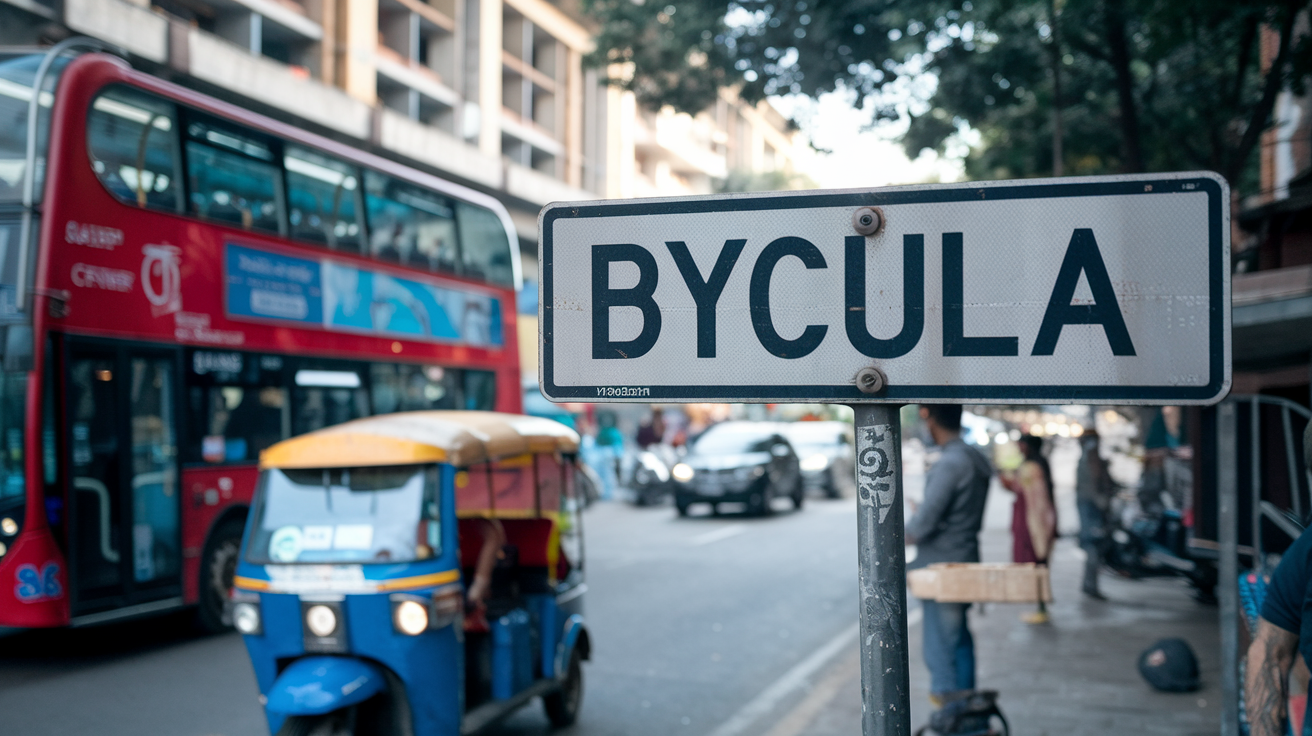
Byculla is one of Mumbai's oldest and most vibrant neighborhoods. If you've ever wondered how Byculla got its name, you're not alone. This area has a rich history that reflects Mumbai's diverse cultural and colonial past.
In this article, we'll explore the origins of the name 'Byculla,' tracing its roots and uncovering the stories behind this iconic locality. Whether you're a history buff or a curious traveler, this guide will give you clear insights.
The Historical Background of Byculla
Byculla's history dates back to the early days of Mumbai's development under Portuguese and later British rule. Originally a marshy area, it transformed into a bustling neighborhood as the city expanded.
The name 'Byculla' is believed to have evolved from local languages and colonial influences, reflecting the area's unique cultural blend.
Portuguese and Marathi Influence
The most accepted theory is that 'Byculla' comes from the Marathi word 'Bhaykulla' or 'Bhaykhala.' This term roughly translates to 'a settlement of brothers' or 'a place of friends,' indicating a close-knit community.
During the Portuguese era, many local names were adapted or altered, and 'Bhaykulla' may have been anglicized to 'Byculla' over time.
British Colonial Adaptation
When the British took over Mumbai, they often simplified local names for ease of pronunciation. 'Bhaykulla' became 'Byculla' in official records and maps.
This anglicization helped the name stick, and Byculla became known as a key area for trade, residences, and later, industrial development.
Byculla’s Role in Mumbai's Growth
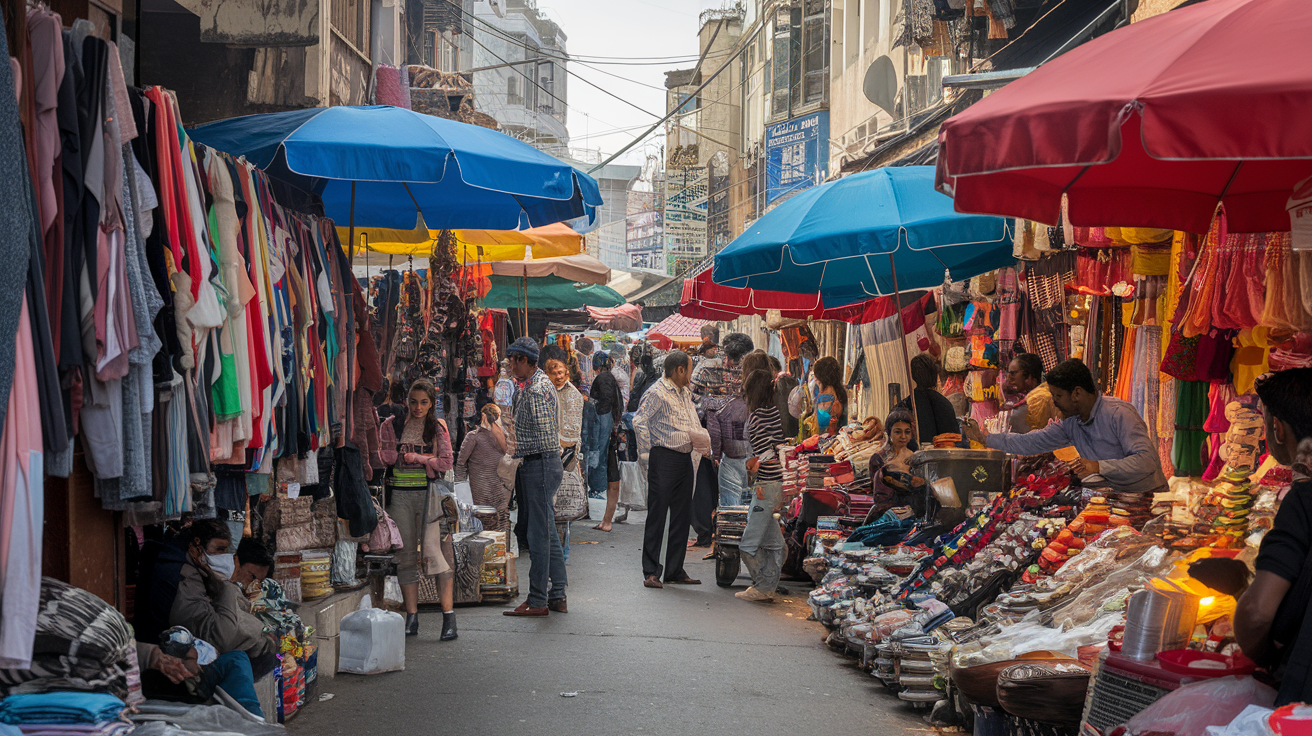
Byculla played a significant role in Mumbai's expansion as a commercial and residential hub. It housed important institutions like the Byculla Market and the Victoria Gardens (now Jijamata Udyan).
The neighborhood also became home to various communities, including Parsis, Muslims, and Christians, enriching its cultural fabric.
Byculla Market, established in the 19th century, remains a popular shopping destination.
Victoria Gardens, opened in 1861, is one of Mumbai's oldest public parks.
Byculla was a center for cotton mills and industrial activity during the British era.
Modern Byculla and Its Name Today
Today, Byculla is a blend of old and new Mumbai. Its name continues to reflect its historical roots while the area thrives with modern developments.
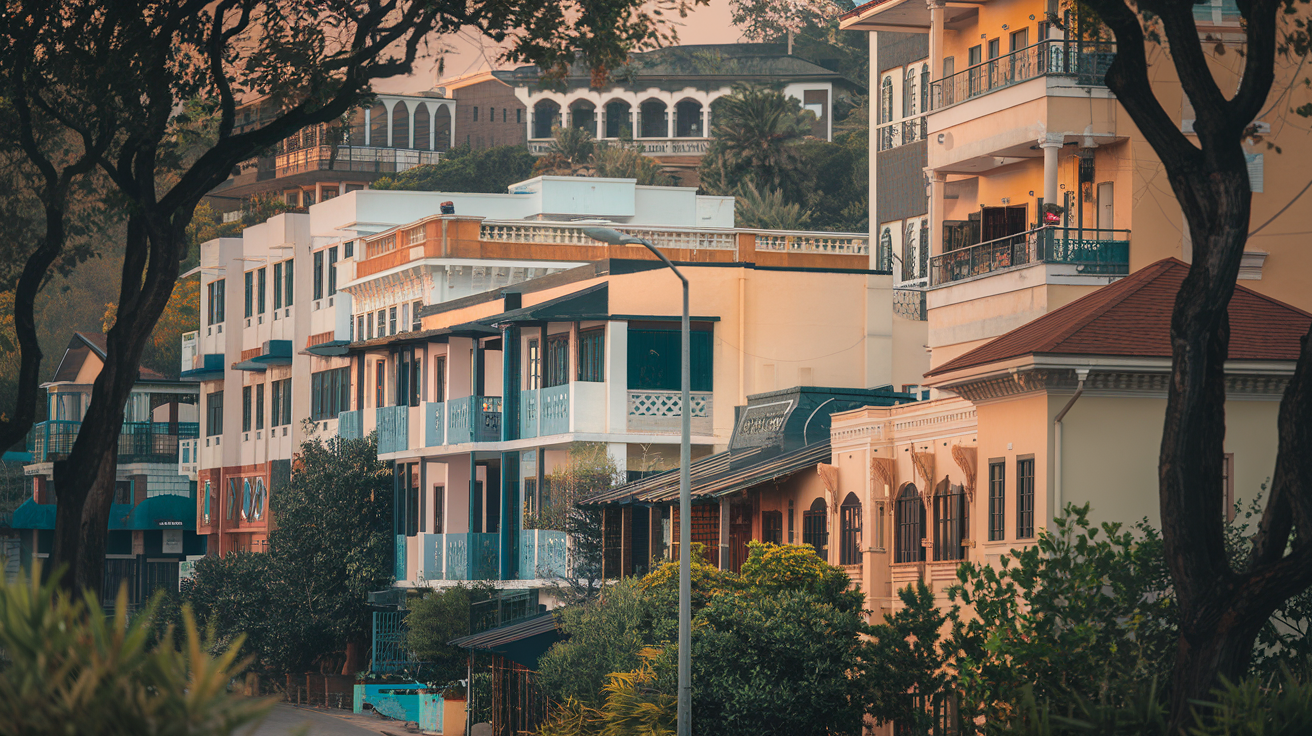
Visitors can still see colonial architecture, bustling markets, and cultural landmarks that tell the story of Byculla’s past.
Preserving Heritage
Efforts are ongoing to preserve Byculla's heritage buildings and promote awareness about its history. This ensures that the story behind its name and legacy remains alive for future generations.
Conclusion
Byculla’s name is a window into Mumbai’s layered history, showing how local languages and colonial influences shaped the city’s geography.
Understanding how Byculla got its name helps you appreciate this neighborhood beyond its busy streets and markets. It’s a place where history and modern life coexist beautifully.
FAQs
What does the name 'Byculla' mean?
The name 'Byculla' likely derives from the Marathi word 'Bhaykulla,' meaning a settlement of brothers or friends, reflecting a close community.
Who named Byculla?
The name evolved from local Marathi terms and was anglicized by the British during colonial rule to become 'Byculla.'
Was Byculla always part of Mumbai?
Yes, Byculla has been part of Mumbai since the city's early development, growing from marshland to a key neighborhood.
What are some historic landmarks in Byculla?
Byculla Market and Victoria Gardens (Jijamata Udyan) are notable historic landmarks that highlight the area's heritage.
Is Byculla culturally diverse?
Yes, Byculla has long been home to diverse communities, including Parsis, Muslims, and Christians, enriching its cultural landscape.