How Mumbai Got Its Name – History & Origins Explained
Discover how Mumbai got its name, tracing its history from ancient times to modern identity with cultural insights and local legends.


Introduction
Have you ever wondered how Mumbai got its name? This bustling metropolis, known for its vibrant culture and economic significance, has a fascinating story behind its name. Understanding this helps you appreciate the city's rich heritage and diverse roots.
In this article, we'll explore the historical, cultural, and linguistic journey that led to the name Mumbai. Whether you're a traveler or history enthusiast, this guide will give you clear insights into the city's identity.
The Early History of Mumbai
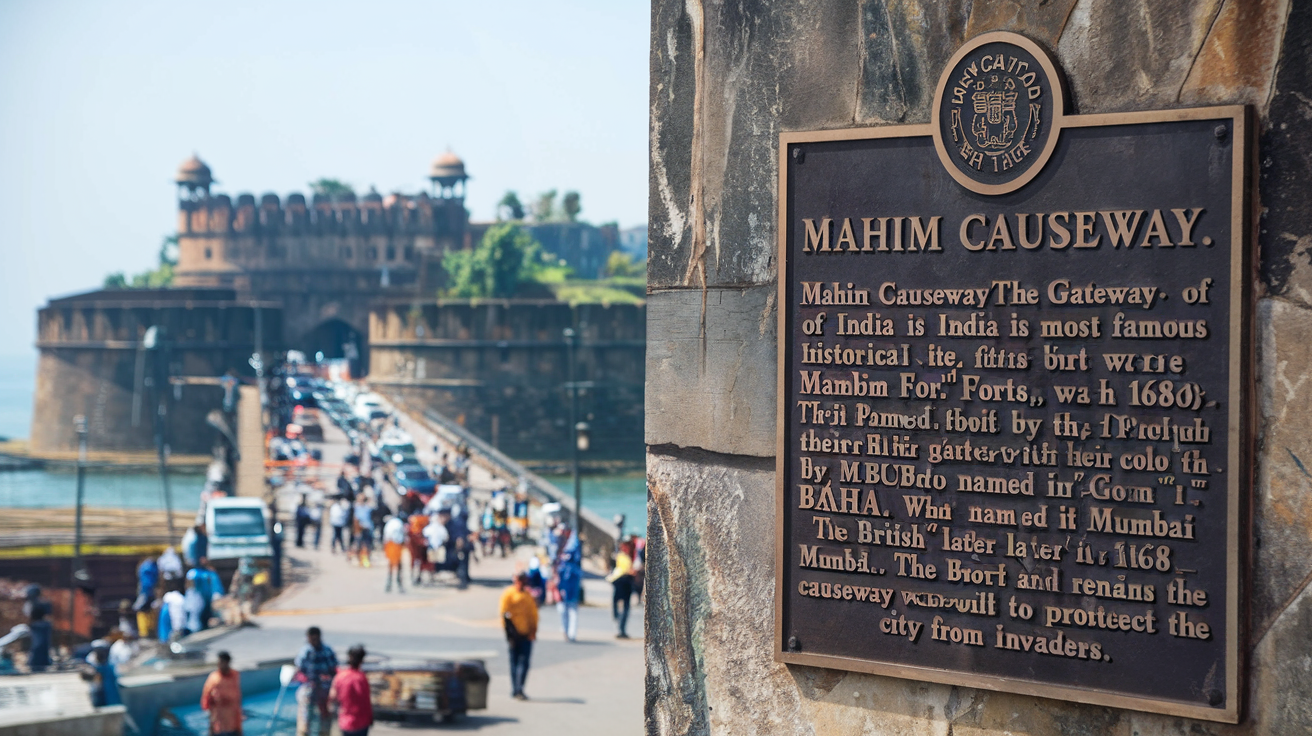
Mumbai, originally a group of seven islands, was inhabited for centuries before becoming a major city. The islands were home to fishing communities and small settlements long before colonial times.
The islands were known as the Bombay Islands during Portuguese and British rule.
Early references to the area appear in ancient Hindu texts and local legends.
These islands were strategically located on the west coast of India, making them important for trade.
The Origin of the Name 'Mumbai'
The name 'Mumbai' is believed to have originated from the local Marathi language. It is derived from the name of the Hindu goddess Mumbā or Mumbādevī, who is considered the city's guardian deity.
'Mumbā' refers to the goddess worshiped by the Koli fishing community.
'Aai' means 'mother' in Marathi, so 'Mumbai' translates to 'Mother Mumbā'.
This name reflects the deep cultural and religious roots of the local people.
Portuguese and British Influence: From Mumbai to Bombay
When the Portuguese arrived in the 16th century, they called the islands 'Bombaim,' which likely came from the local phrase meaning 'good bay' or 'beautiful bay.'
The British later anglicized 'Bombaim' to 'Bombay'.
Bombay became the official name during British colonial rule and was used internationally for centuries.
The name Bombay was associated with the city's colonial past and its role as a major port.
The Renaming to Mumbai in 1995
In 1995, the government officially changed the city's name from Bombay to Mumbai to honor its Marathi heritage and local identity.
The renaming was part of a larger movement to replace colonial names with indigenous ones.
Mumbai reflects the city's cultural pride and connection to the goddess Mumbā.
This change also aimed to strengthen regional identity and linguistic pride among Marathi speakers.
Significance of the Name Mumbai Today
Today, Mumbai stands as a symbol of India's diversity and resilience. The name connects the city's modern vibrancy with its ancient cultural roots.
Mumbai is a melting pot of cultures, languages, and religions.
The name reminds locals and visitors of the city's spiritual and historical background.
It highlights the importance of preserving local traditions amid rapid urban growth.
Conclusion
Understanding how Mumbai got its name gives you a deeper appreciation of the city’s rich past and vibrant present. From the goddess Mumbā to colonial influences, the name reflects a unique blend of history and culture.
Next time you visit or read about Mumbai, remember the story behind its name. It’s more than just a label—it’s a connection to centuries of tradition and identity.
FAQs
What does the name Mumbai mean?
Mumbai means 'Mother Mumbā,' named after the local goddess worshiped by the fishing communities in the region.
Why was Mumbai called Bombay during colonial times?
The Portuguese called it 'Bombaim,' meaning 'good bay,' which the British anglicized to 'Bombay' during their rule.
When was the city officially renamed Mumbai?
The city was officially renamed Mumbai in 1995 to honor its Marathi heritage and local cultural identity.
Who is the goddess Mumbā?
Mumbā is a Hindu goddess considered the guardian deity of the city, especially revered by the local Koli fishing community.
Does the name Mumbai reflect the city's culture today?
Yes, Mumbai’s name connects the city to its ancient roots and highlights the importance of preserving local traditions amid modern growth.