How Nariman Point Got Its Name – History Explained
Discover the origin of Nariman Point's name, its historical background, and significance in Mumbai's urban landscape.


Introduction
If you've ever visited Mumbai, you might have wondered how Nariman Point got its name. This iconic business district is not only a hub for commerce but also holds a fascinating history behind its naming. Understanding this story helps you appreciate the city's rich heritage and the people who shaped it.
In this article, we'll explore the origins of Nariman Point's name, the key figures involved, and the area's transformation over time. Whether you're a traveler or a history enthusiast, this guide will give you clear insights into one of Mumbai's most famous landmarks.
Origin of the Name 'Nariman Point'
Nariman Point is named after Khurshed Nariman, a prominent leader and politician in Mumbai's history. He was a member of the Bombay Municipal Corporation and played a significant role in the city's development during the mid-20th century.
The area was reclaimed from the sea in the 1940s and 1950s as part of Mumbai's expansion plans. Naming this newly developed land after Nariman was a tribute to his contributions to urban planning and civic administration.
- Khurshed Nariman:
Known for his dedication to public service and city development.
- Reclamation Project:
The land was created by reclaiming parts of the Arabian Sea coastline.
- Tribute:
Naming the point after Nariman honored his role in Mumbai’s growth.
Historical Background of Nariman Point
Before becoming a bustling business district, Nariman Point was part of the Arabian Sea. The reclamation project was a massive engineering feat that allowed Mumbai to expand its land area.
During the 1950s and 1960s, Nariman Point quickly developed into a prime location for offices, hotels, and government buildings. It became synonymous with Mumbai’s economic progress and cosmopolitan culture.
- Land Reclamation:
Expanded Mumbai’s usable land by over 100 acres.
- Economic Hub:
Home to major Indian and multinational companies.
- Urban Growth:
Symbolized Mumbai’s transformation into a modern metropolis.
Significance of Nariman Point Today
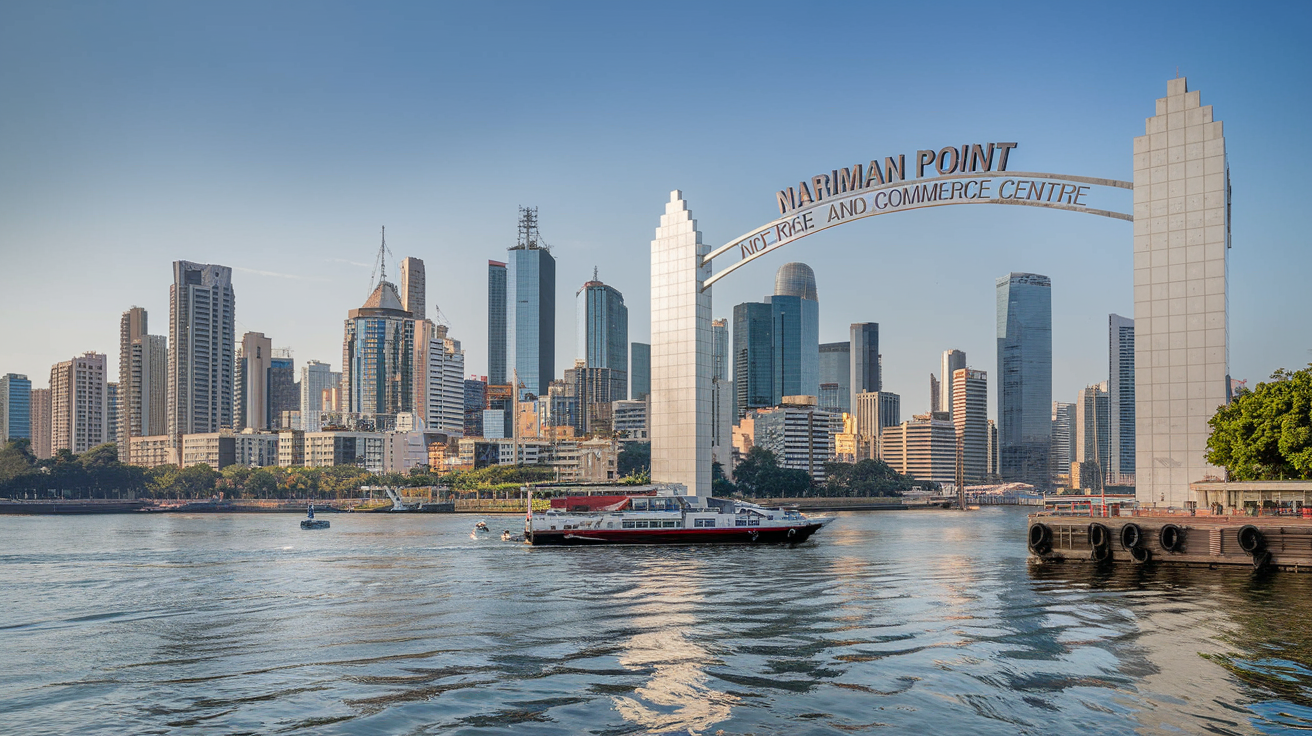
Today, Nariman Point remains one of Mumbai’s most prestigious business districts. It hosts the headquarters of many financial institutions, law firms, and media companies.
The name Nariman Point continues to remind visitors and locals of the city’s journey from a coastal town to a global financial center. It also reflects the vision of leaders like Khurshed Nariman who helped shape Mumbai’s urban landscape.
- Financial Center:
Houses the Bombay Stock Exchange and major banks.
- Tourist Attraction:
Offers stunning views of the Arabian Sea and Marine Drive.
- Legacy:
Named after a leader who contributed to Mumbai’s civic development.
How to Visit Nariman Point
If you want to experience Nariman Point, it’s easily accessible by Mumbai’s local trains, buses, and taxis. The area is close to Marine Drive, making it perfect for a scenic walk along the coast.
Visiting during the evening is especially popular, as you can enjoy the sunset and the city lights. Nearby attractions include the Gateway of India and the iconic Taj Mahal Palace Hotel.
- Transport:
Accessible via Churchgate Station and local buses.
- Nearby Spots:
Marine Drive, Gateway of India, Colaba.
- Best Time:
Evening for sunset views and cooler weather.
Conclusion
Nariman Point’s name carries a story of vision, dedication, and urban transformation. Named after Khurshed Nariman, it stands as a tribute to his role in Mumbai’s development and the city’s ambitious land reclamation projects.
Today, Nariman Point is more than just a name; it’s a symbol of Mumbai’s growth into a global financial hub. When you visit, you’re walking through a place rich in history and modern significance.
FAQs
Who was Khurshed Nariman?
Khurshed Nariman was a Mumbai politician and civic leader known for his work in urban development and the Bombay Municipal Corporation.
When was Nariman Point developed?
Nariman Point was developed in the 1940s and 1950s through land reclamation from the Arabian Sea.
Why is Nariman Point important today?
It is Mumbai’s key business district, hosting major financial institutions and offering iconic sea views.
How can I reach Nariman Point?
You can reach Nariman Point via Mumbai’s local trains, buses, or taxis, with Churchgate Station nearby.
What attractions are near Nariman Point?
Nearby attractions include Marine Drive, Gateway of India, and the Taj Mahal Palace Hotel.