How Were the Seven Islands of Mumbai Joined?
Explore how Mumbai's seven islands were joined to form the modern city through historic reclamation projects and engineering feats.


Introduction
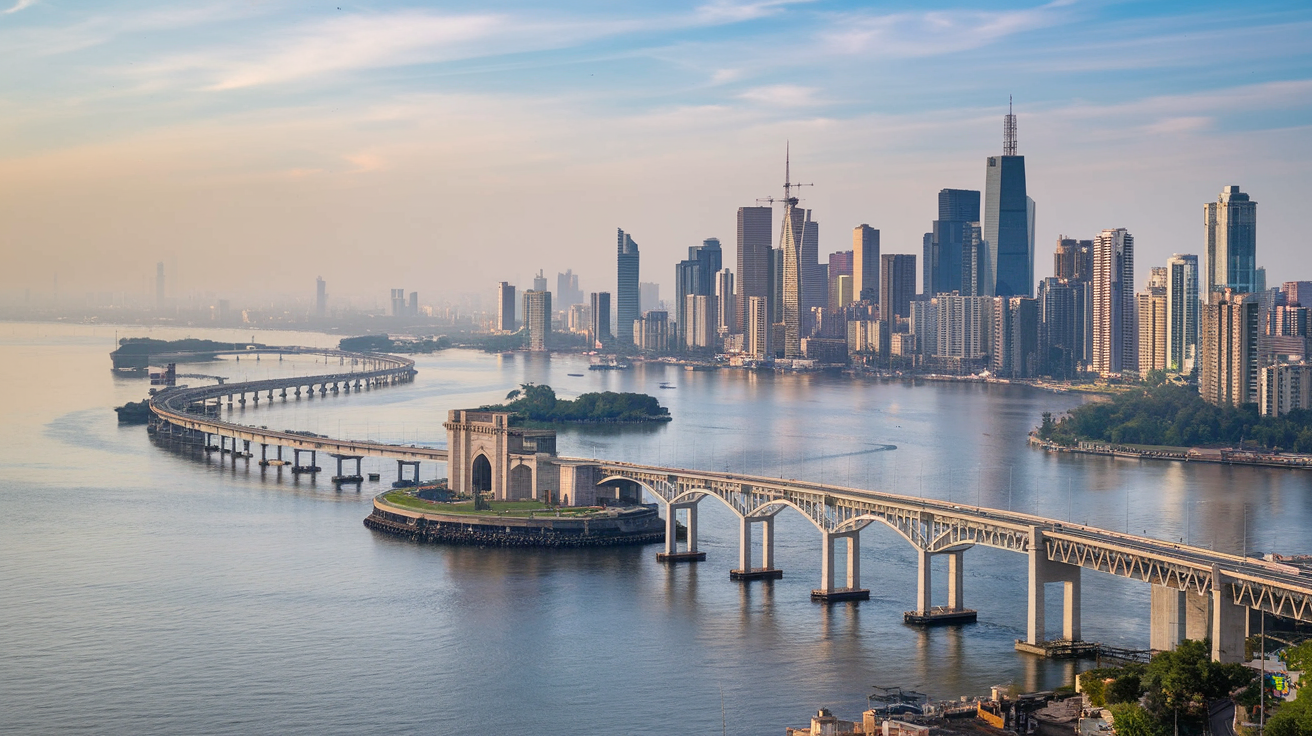
If you've ever wondered how Mumbai transformed from a group of seven separate islands into the bustling metropolis it is today, you're in the right place. The story of Mumbai's formation is a fascinating mix of geography, engineering, and history.
We will explore how these islands were joined through land reclamation projects, the key players involved, and the impact this had on the city's growth. Understanding this helps you appreciate Mumbai's unique landscape and urban development.
The Original Seven Islands of Mumbai
Mumbai originally consisted of seven islands: Colaba, Little Colaba (Old Woman's Island), Bombay Island, Mazagaon, Parel, Mahim, and Worli. Each island had its own distinct geography and communities.
- Colaba and Little Colaba:
Southernmost islands, now part of South Mumbai.
- Bombay Island:
The central island, the core of early Bombay city.
- Mazagaon:
Known for its docks and shipbuilding.
- Parel:
Initially a village, later industrialized.
- Mahim:
Coastal area with fishing communities.
- Worli:
Western island, now a commercial hub.
Why Join the Islands?
The islands were separated by shallow sea channels and marshy lands. Joining them was crucial to:
Create more usable land for the growing population.
Improve transportation and connectivity.
Develop a unified urban center for trade and administration.
Prevent flooding and manage water flow better.
Major Land Reclamation Projects
The joining of Mumbai's islands was achieved through extensive land reclamation over centuries, with key projects including:
- Hornby Vellard Project (1784):
One of the earliest and most significant reclamation projects. It involved building a causeway to block the Worli creek, preventing flooding and connecting the islands.
- Colaba Causeway (1838):
This causeway linked Colaba and Old Woman's Island to Bombay Island, facilitating easier movement and trade.
- Back Bay Reclamation:
Expanded land along the western shore, creating areas like Marine Drive.
- Mumbai Port Development:
Reclamation around docks and ports to support shipping and commerce.
Engineering Techniques Used
The reclamation process involved:
Building embankments and causeways to block tidal waters.
Filling low-lying areas with earth, rocks, and debris.
Using natural sedimentation and manual labor to stabilize reclaimed land.
Continuous maintenance to prevent erosion and flooding.
Impact on Mumbai's Growth
Joining the islands transformed Mumbai from a collection of fishing villages into a major port and commercial center. Benefits included:
Expanded land area allowed for urban planning and infrastructure.
Improved connectivity boosted trade and industry.
Facilitated the arrival of railways and roads.
Enabled Mumbai to become India's financial capital.
Challenges and Environmental Considerations
While reclamation helped Mumbai grow, it also brought challenges:
Loss of natural mangroves and wetlands affecting biodiversity.
Increased vulnerability to flooding due to altered water flow.
Pressure on infrastructure from rapid urbanization.
Modern efforts focus on balancing development with environmental sustainability.
Conclusion
The joining of Mumbai's seven islands is a remarkable chapter in urban engineering and planning. Through strategic reclamation projects like the Hornby Vellard and Colaba Causeway, the city expanded its landmass and connectivity.
This transformation laid the foundation for Mumbai's rise as a global city. Understanding this history gives you insight into how geography and human ingenuity shaped one of India's most iconic urban landscapes.
FAQs
What were the seven original islands of Mumbai?
The seven islands were Colaba, Little Colaba, Bombay Island, Mazagaon, Parel, Mahim, and Worli, each with unique geography and communities.
When did the major reclamation projects begin?
Major reclamation began in the late 18th century, with the Hornby Vellard project in 1784 being a key early effort.
What was the Hornby Vellard project?
It was a causeway built to block the Worli creek, preventing flooding and connecting islands, crucial for Mumbai's land reclamation.
How did reclamation affect Mumbai's environment?
It led to loss of mangroves and wetlands, affecting biodiversity and increasing flood risks due to altered natural water flow.
Why is Mumbai called a city of islands?
Because it originally consisted of seven separate islands that were joined through reclamation to form the modern city.