Best Places to Visit in Colaba Mumbai (2026 Guide)
Discover the best places to visit in Colaba, from Gateway of India to hidden cafes, shopping streets, and colonial landmarks. US traveler tips included


If you only have one day in Mumbai, spend it in Colaba.
This narrow peninsula in South Mumbai packs more into a single walkable neighborhood than most cities manage in an entire downtown. Colonial monuments, heritage hotels, a legendary street market, fishing docks, and century-old cafes sit within a few blocks of each other.
For American visitors, Colaba is the easiest entry point into Mumbai. It's well-connected, tourist-friendly, and English is spoken everywhere.
This guide covers every major attraction in Colaba, what each one is actually like on the ground, and exactly how to plan your time here.
Key Takeaways
Gateway of India is non-negotiable. It's Mumbai's most iconic monument and the best starting point for any Colaba itinerary.
Colaba is entirely walkable. Most top attractions sit within a 15-20 minute walk of each other.
Visit early morning or at sunset. Midday crowds at Gateway and Causeway are intense, especially on weekends.
Budget and luxury coexist here. Street food under $1 USD and high tea at the Taj both happen within the same block.
Sassoon Dock requires a dawn visit. The fish market wraps up by 8 AM. Miss it and you miss the real Colaba.
Bargaining is expected at Colaba Causeway. Opening prices can be inflated significantly for tourists.
Where is Colaba and how do you get there?
Colaba sits at the southern tip of Mumbai, bordered by the Arabian Sea on three sides.
It's about 45-60 minutes from Chhatrapati Shivaji Maharaj International Airport by cab, depending on traffic. Uber and Ola both operate here and are the most reliable option for US visitors.
By train, the nearest station is Churchgate on the Western Railway line. From there, Colaba is a 15-minute taxi or auto-rickshaw ride.
Colaba's name derives from "Kolabhat," meaning "land of the Kolis," the fishing community that first settled the islands of Bombay centuries before the British arrived.
Best places to visit in Colaba, Mumbai
1. Gateway of India
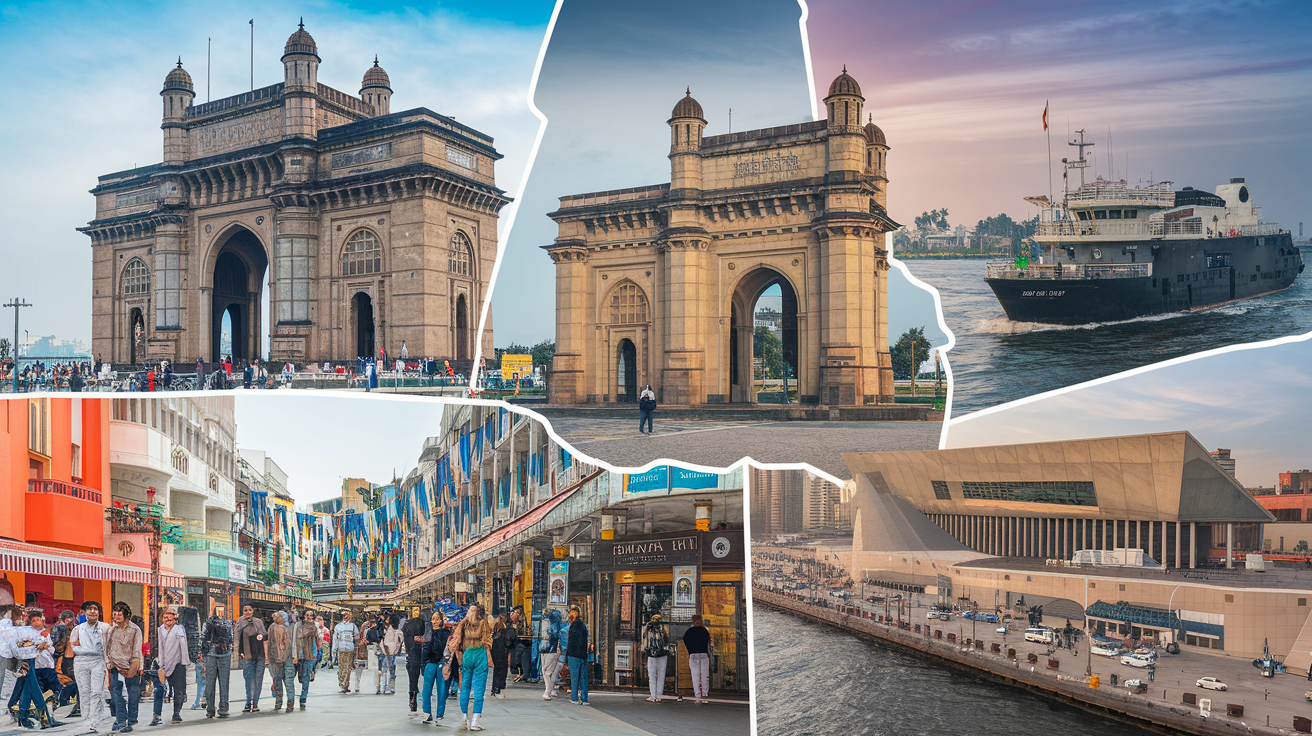
The Gateway of India is the single most visited landmark in all of Mumbai, and for good reason.
Built in 1924, it serves as a symbol of the city's rich history and cultural heritage. The structure, designed in Indo-Saracenic architectural style, stands 26 meters high and overlooks the Arabian Sea. It was originally built to commemorate the visit of King George V and Queen Mary to India.

What it looks like: A massive honey-colored basalt arch on the waterfront, framed by the Arabian Sea. Street vendors, balloon sellers, boat operators, and portrait artists fill the surrounding plaza at all hours.
Practical info:
Entry to the exterior: Free, open 24/7
Central hall entry: approximately 20 INR (under $0.25 USD)
Best time to visit: 7:00 AM for near-empty photos, or sunset for the best light
Boat rides to Elephanta Island depart from here (about $3-5 USD round trip)
Many reviewers recommend visiting early in the morning or during sunset to avoid crowds and capture the best light for photographs.
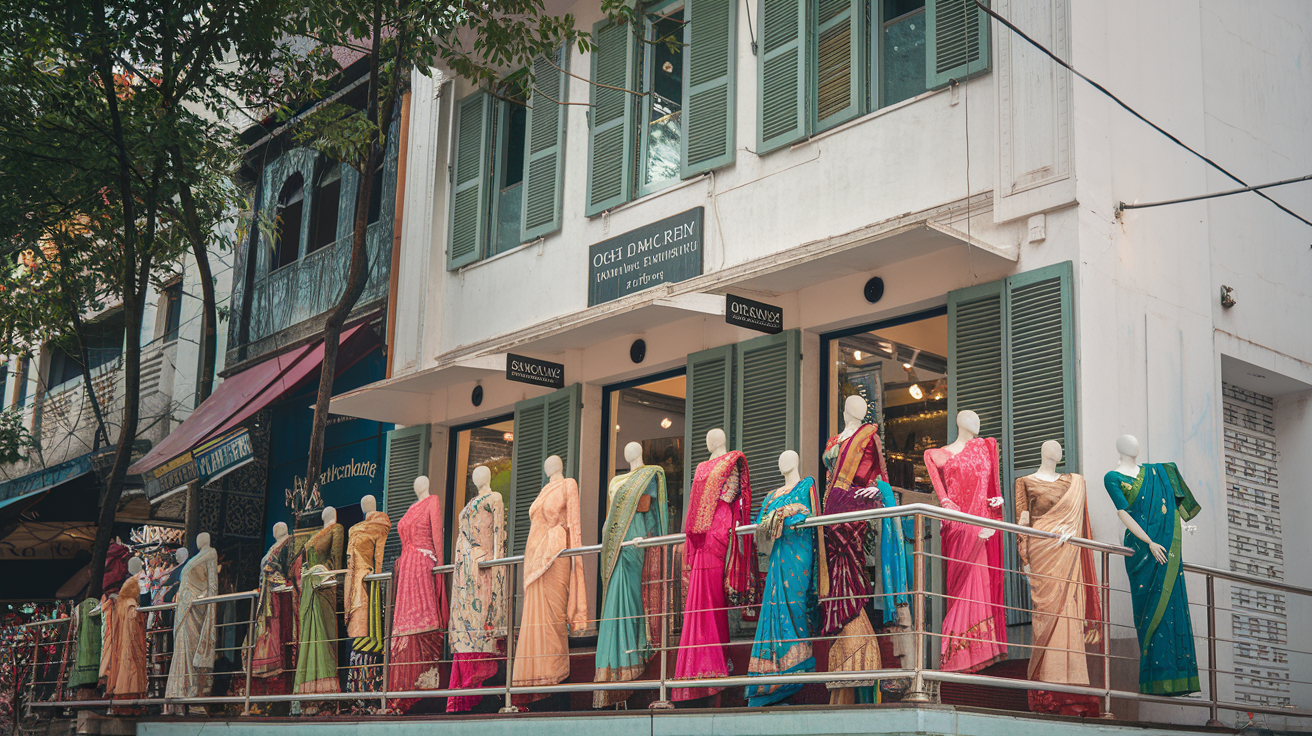
2. Taj Mahal Palace Hotel
You don't need to stay here to make this a must-visit. The Taj Mahal Palace is a landmark in its own right.
Designed in the Indo-Saracenic style, the elegant 5-star Taj Mahal Palace hotel was built in 1903. Once synonymous with Mumbai's most glamorous people, the site was hit during the terrorist attacks of 2008 but has since risen again as a premier property.
Former guests of the Taj Mahal Palace include Mick Jagger, Bill Clinton, Joan Collins, and the Obamas.

What to do if you're not a guest:
Have coffee at La Patisserie in the lobby (roughly $5-10 USD)
Book high tea at the Sea Lounge, overlooking Gateway of India
Walk through the lobby and view the memorial to 2008 attack victims
Admire the exterior: central dome, corner turrets, and arcaded ground floor
A memorial for the victims of the November 2008 terrorist attacks is permanently installed in the hotel lobby. It is a moving, quiet space inside one of India's most opulent buildings.
3. Colaba Causeway
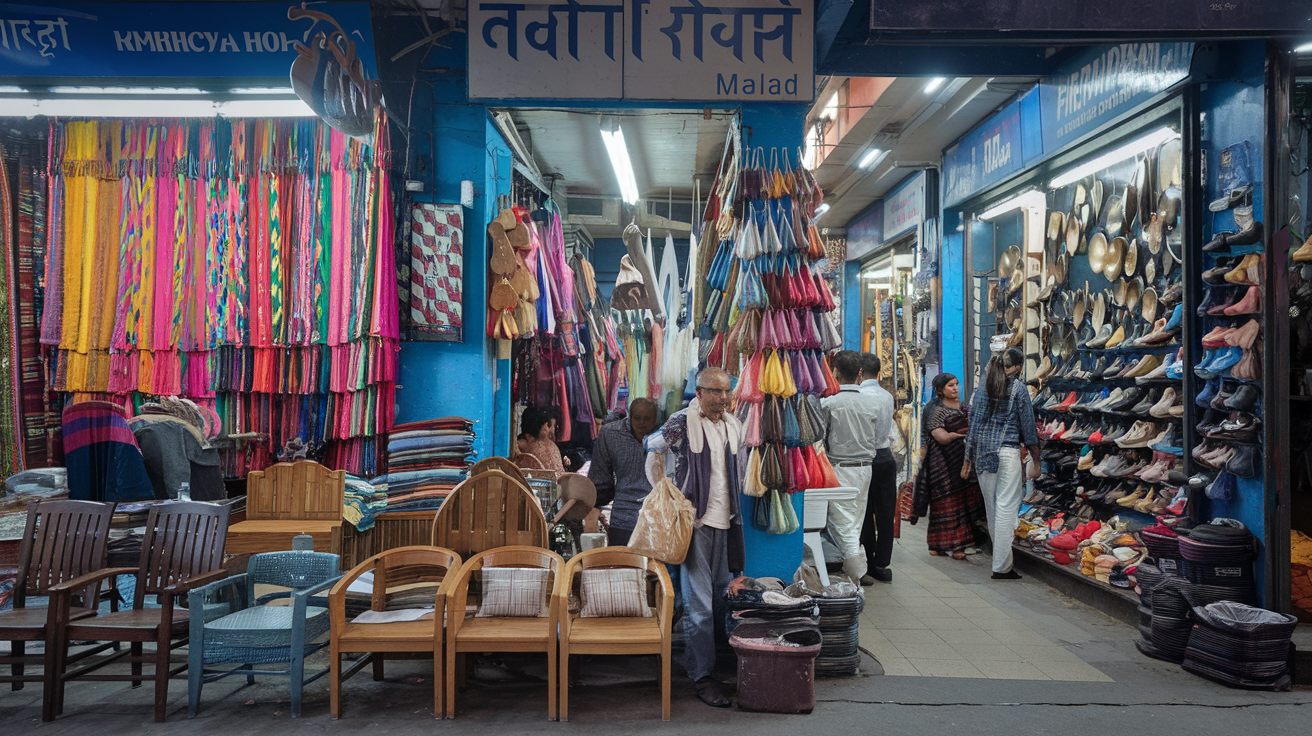
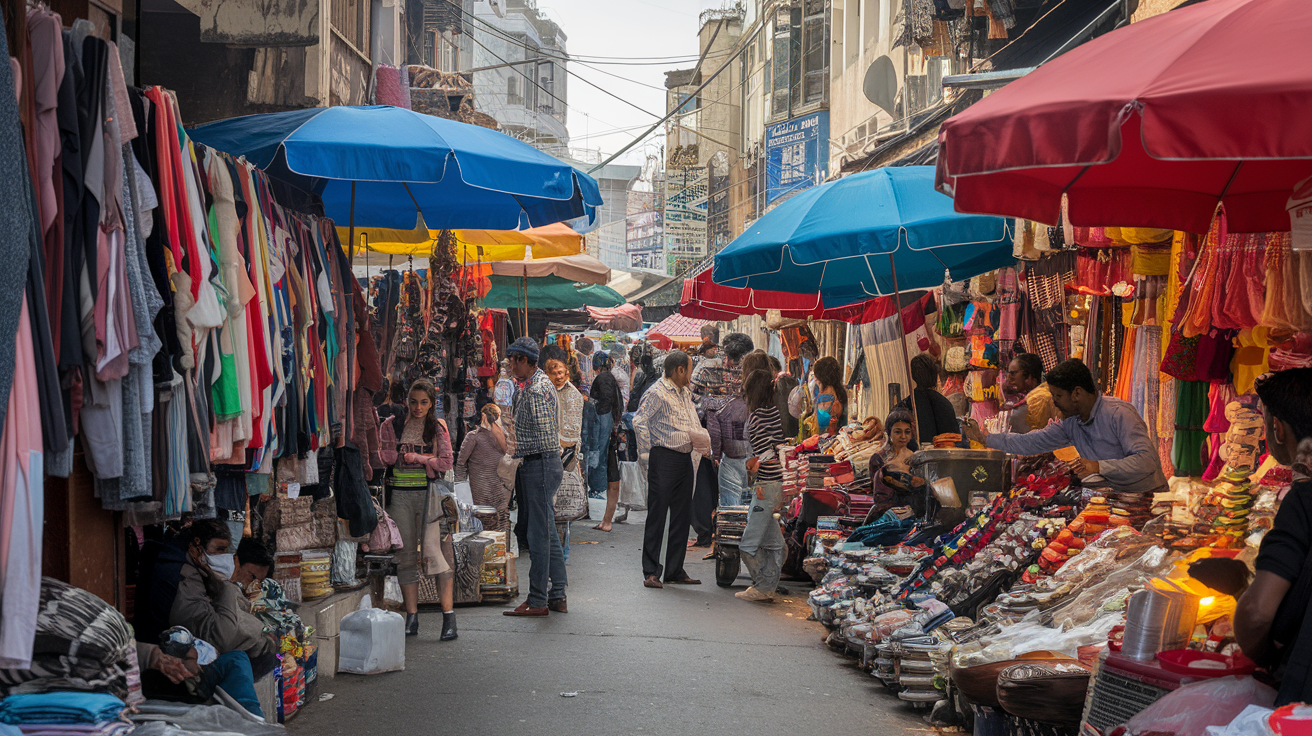
One of the most crowded and electrifying places to visit in Mumbai is Colaba Causeway, famous for being a shopper's paradise with endless shops to choose from. Formally known as Shahid Bhagat Singh Road, Colaba Causeway acts as the land link between Colaba and the Old Woman's Island.
This is Mumbai's most famous street market, running for roughly a kilometer and packed with vendors, boutiques, and stalls on both sides.
What you can buy here:
Handmade jewelry and beaded accessories
Leather bags and wallets
Vintage coins and antiques
Printed cotton kurtas and scarves
Home decor, lampshades, and curios
Branded knockoffs and souvenirs
Tips for American shoppers:
Always bargain. Starting prices for tourists are often 2-3x the realistic price.
Arrive before 10 AM to shop before peak heat and crowd.
Carry cash. Most street stalls don't accept cards.
Compare prices across multiple stalls before buying.
4. Leopold Cafe
Leopold Cafe is one of Colaba's most iconic institutions, and one of the best-known cafes in all of India.
Leopold Cafe was established in 1871 and offers a mix of Indian and continental dishes. It featured prominently in Gregory David Roberts' novel Shantaram, which introduced millions of Western readers to Mumbai.
The cafe was one of the targets of the 2008 Mumbai terrorist attacks. Post-2008, it thrives with expat vibes and walls etched with traveler graffiti. The bullet holes in the walls are still visible, preserved deliberately.
What to order:
Butter chicken
Cold Kingfisher beer
Mutton keema pav
Veg club sandwich
Vibe: Loud, lively, always packed. Wooden booths, ceiling fans, a long bar. More backpacker-bar than fine dining, and that's exactly what makes it great.
5. Cafe Mondegar
A few doors down from Leopold is Cafe Mondegar, a local favorite that often gets overshadowed by its famous neighbor.
Cafe Mondegar is renowned for its jukebox and hand-painted murals by cartoonist Mario Miranda covering every wall.
It's slightly quieter than Leopold, more locally loved, and the murals alone are worth stopping for. Order a cold coffee, grab a corner table, and take it all in.
Good for: Solo travelers, couples, anyone who wants the Leopold vibe without the tourist crush.
6. Sassoon Dock
Sassoon Dock is Colaba's most overlooked attraction and arguably its most memorable.
The Sassoon Docks is one of the oldest harbors in Mumbai open to the public. Located in the outskirts of Colaba, the Sassoon Docks has an enormous fish market and is considered the trading center of South Mumbai. Ships, cruise ships, and fishing boats are aplenty, and visitors can watch the fishermen bringing in their catches, repairing nets, and trading fish.
The catch: You have to get up early. The market is at peak activity between 5:30 AM and 7:30 AM. After 8 AM, most activity wraps up.
What to expect:
Rows of fishing boats tied to the dock
Fisherwomen sorting and auctioning the overnight catch
Intense smell of fresh and dried seafood
Photographers will find extraordinary light and color here at dawn
The Sassoon Dock is where fishing boats unload their pungent catches at dawn. It's raw, loud, and completely unlike anything else in the Colaba tourist circuit.
7. Afghan Church
Afghan Church is the most architecturally striking building in Colaba that most tourists never see.
The Gothic architectural style of the Afghan Church, along with its stunning stained glass windows, makes it one of the most eye-catching and beautiful buildings in Colaba. It is the most visited place during Christmas, when it is not only crowded but beautifully decorated.
This neo-Gothic church in Navy Nagar is a quiet escape from the city noise. It was built to honor soldiers from the First Afghan War. The stained-glass windows are some of the best in India.
Location note: Afghan Church sits in the Navy Nagar area, a 10-15 minute walk or short taxi ride from the main Colaba tourist strip. You'll need to pass through a naval checkpoint with your passport.
Best time to visit: Morning on a weekday. Afternoons can be very hot. December visits coincide with Christmas decorations.
8. Elephanta Island (day trip from Colaba)
Elephanta Island is not technically in Colaba, but Gateway of India is the departure point, making it a natural extension of any Colaba day.
The island houses a UNESCO World Heritage site: a network of rock-cut cave temples dedicated to Shiva, dating to the 5th-8th centuries CE.
Logistics:
Ferry from Gateway of India: approximately $3-5 USD round trip
Journey time: 1 hour each way
Total time needed: 4-5 hours minimum
Best days: Weekdays. Weekends see heavy local tourist crowds.
Caves are closed on Mondays.
Colaba attractions at a glance
Attraction | Type | Entry Cost (USD) | Best Time |
Gateway of India | Monument | Free | 7 AM or sunset |
Taj Mahal Palace | Heritage hotel | Free to enter lobby | Morning or evening |
Colaba Causeway | Street market | Free | Before 10 AM |
Leopold Cafe | Cafe/restaurant | Cost of your order | Afternoon |
Cafe Mondegar | Cafe/bar | Cost of your order | Late morning |
Sassoon Dock | Fish market | Free | 5:30-7:30 AM |
Afghan Church | Historic church | Free | Morning weekdays |
Elephanta Island | UNESCO caves | ~$3-5 USD (ferry) | Weekday mornings |
Best time to visit Colaba
Mumbai has three seasons that affect your Colaba experience very differently.
Season | Months | What to Expect |
Peak (dry season) | November to March | Best weather, crowds are high, prices up slightly |
Shoulder | October, April | Hot but manageable, fewer tourists |
Monsoon | June to September | Heavy rain, high humidity, some attractions affected |
For US visitors, November through February is the sweet spot. Temperatures hover between 65-85°F. The light is excellent for photography, especially at Gateway of India.
Avoid visiting during Diwali (October-November) and Holi (March) if you want a calmer experience. Both festivals bring massive domestic tourist crowds to Colaba.
Food and drink in Colaba
Colaba has one of the best and most diverse eating scenes in Mumbai, from street stalls to five-star restaurants.
For authentic street food:
Bademiya on Tulloch Road: famous for seekh kebabs and rolls, open late
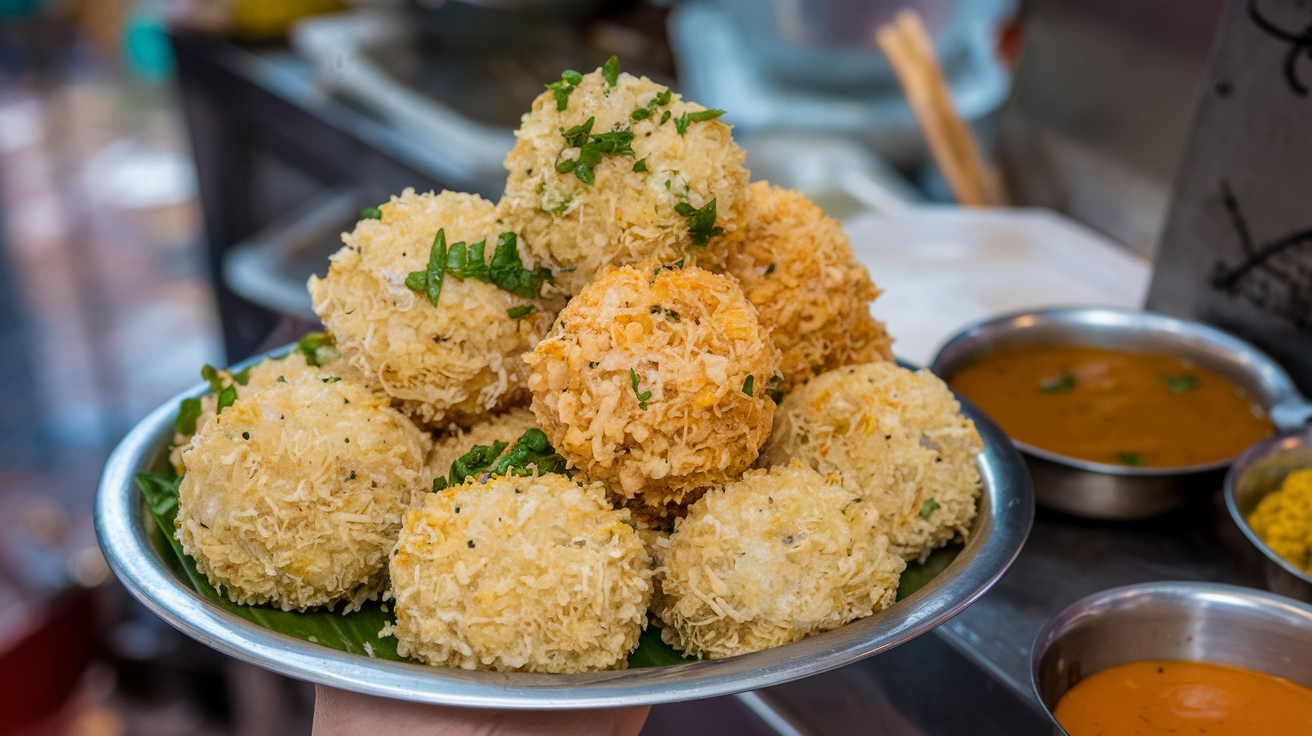
Stalls along Colaba Causeway: vada pav, pav bhaji, bhel puri
Juice carts near Gateway: fresh sugarcane juice and coconut water
For sit-down meals:
Leopold Cafe: iconic, reliable, great for a long lazy lunch
Cafe Mondegar: local favorite, excellent cold coffee
Indigo Delicatessen: upscale, Western-friendly menu, good for breakfast
For a splurge:
Sea Lounge at the Taj: high tea overlooking Gateway of India, roughly $25-40 USD per person
Shamiana at the Taj: all-day dining inside one of Asia's most legendary hotels
Practical tips for US travelers visiting Colaba
Getting around:
Colaba is best explored on foot. Most major attractions are within 1-2 km of each other.
Use Uber or Ola for longer rides. Auto-rickshaws are cheaper but don't operate in South Mumbai.
Taxis with meters are readily available near Gateway of India.
Money:
ATMs are available on Colaba Causeway and near the Taj.
Carry cash in small denominations for street shopping and food stalls.
Most restaurants accept Visa and Mastercard.
Safety:
Colaba is one of the safest neighborhoods in Mumbai for tourists.
Standard urban precautions apply: watch your bags in crowds, especially at Gateway of India.
Touts near Gateway aggressively offer boat rides. The official MTDC ferry counter is the reliable option.
Connectivity:
Most cafes, restaurants, and hotels offer free Wi-Fi.
Buy a local SIM at the airport (Airtel or Jio) for reliable data throughout your Mumbai trip.
Frequently Asked Questions
How many days do you need to explore Colaba?
One full day is enough to cover the main attractions comfortably. If you want to include Elephanta Island, add a second day. Travelers who want to explore the shopping deeply, visit Afghan Church, and catch the Sassoon Dock at dawn may prefer spreading it across two days.
Is Colaba safe for American tourists?
Yes. Colaba is consistently rated as one of the safest areas for tourists in Mumbai. It has a large police presence, especially around Gateway of India, and is accustomed to international visitors. Standard city-travel caution applies, including watching your belongings in crowded areas.
What is the best time of day to visit Gateway of India?
Early morning around 7 AM gives you the cleanest photos with the fewest crowds. Sunset, between 6:30-7:30 PM depending on the season, offers beautiful light and a lively atmosphere. Midday is the most crowded and hottest time to visit.
Can you visit the Taj Mahal Palace without a reservation?
Yes. The hotel lobby is accessible without a reservation. You can walk in, view the architecture, and have a coffee or meal at their ground-floor dining outlets. High tea at the Sea Lounge is the most popular option for non-guests and should be booked in advance.
How do you get from Colaba to Elephanta Island?
Ferries depart from the Gateway of India jetty daily. The journey takes approximately one hour each way. Tickets are available at the MTDC counter near the Gateway. The caves are closed on Mondays. Budget a full morning or afternoon for the round trip.
What should I buy at Colaba Causeway?
The best buys are handmade jewelry, leather goods, printed cotton scarves, and antique coins. Bargain on everything. For branded or designer items, expect knockoffs rather than originals at street-stall prices.
Colaba rewards slow travelers. The instinct is to tick off Gateway, snap the Taj, and move on. But the neighborhood reveals itself over hours, not minutes, in a side-street chai stall, a sunrise at Sassoon Dock, a long lunch at Leopold, and the quiet shock of Afghan Church's stained glass. Give it a full day