How Big Is Mumbai? Area, Population & City Size Explained
Discover Mumbai's vast size, population, and area details to understand this bustling metropolis better.


Introduction
When you think of Mumbai, you picture a bustling city full of life and energy. But just how big is Mumbai in terms of area and population? Understanding the size of Mumbai helps you appreciate its scale and the challenges it faces as one of India's largest cities.
In this article, we'll explore Mumbai's geographical area, population density, and how it compares to other major cities. This will give you a clear picture of Mumbai's vastness and urban sprawl.
Geographical Size of Mumbai
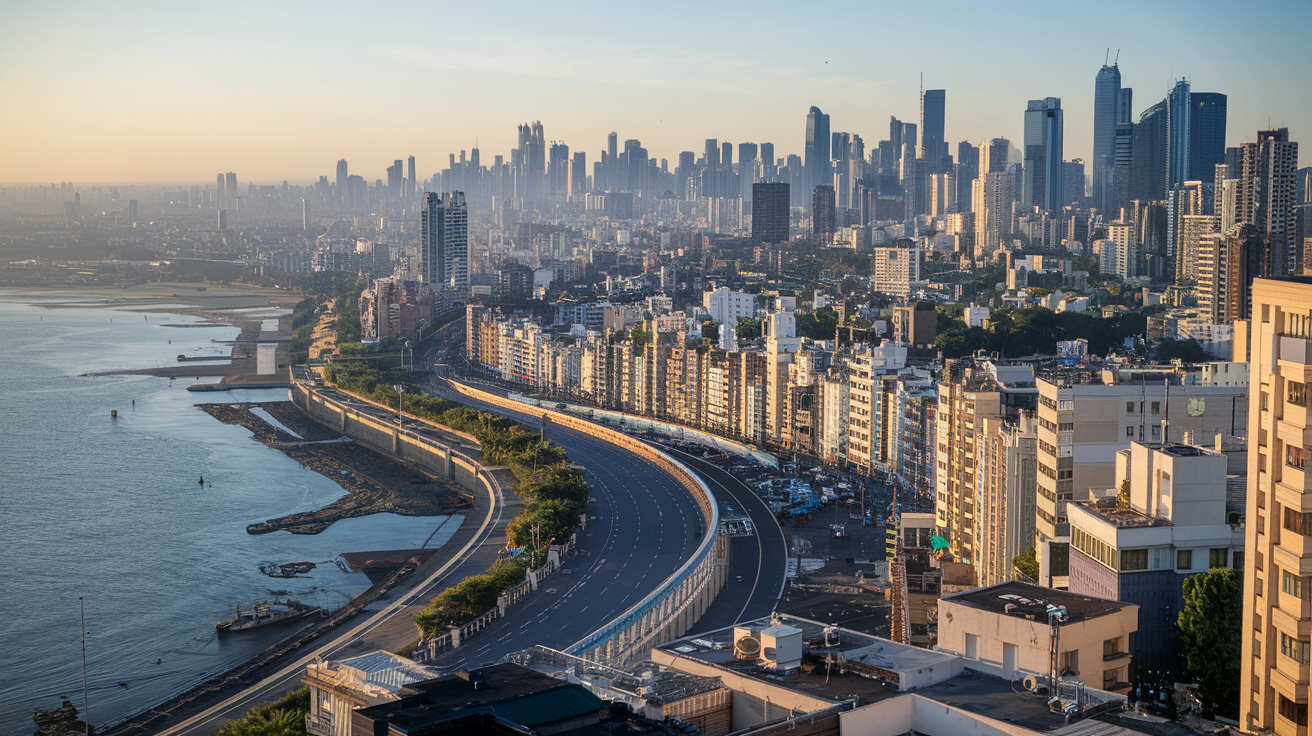
Mumbai covers a total area of approximately 603 square kilometers (233 square miles). This includes the island city and the suburbs that have grown around it over the years.
The city is located on the west coast of India along the Arabian Sea.
Mumbai consists of seven islands that were merged through land reclamation projects.
The metropolitan region extends beyond the city limits, covering around 4,355 square kilometers.
This large area supports a diverse range of neighborhoods, business districts, and natural spaces.
Population and Density
Mumbai is India's most populous city, with a population exceeding 20 million people in its metropolitan area.
The city proper has around 12.5 million residents.
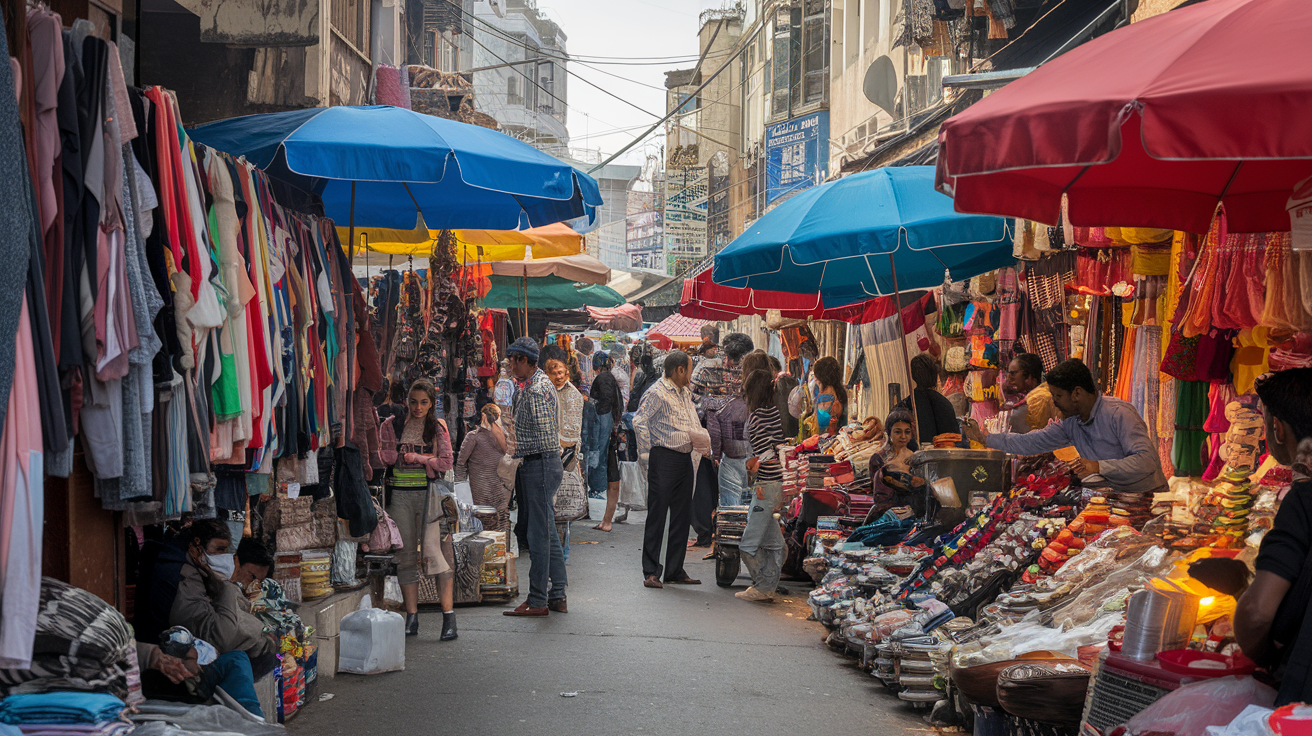
Population density is extremely high, with over 20,000 people per square kilometer in some parts.
This density makes Mumbai one of the most crowded cities globally.
High population density impacts housing, transportation, and infrastructure, shaping daily life in Mumbai.
Comparison with Other Cities
To understand Mumbai's size better, let's compare it with a few other global cities.
New York City covers about 783 square kilometers but has a lower population density.
London spans roughly 1,572 square kilometers with a population of around 9 million.
Mumbai's compact area with a huge population makes it uniquely dense and vibrant.
This comparison highlights Mumbai's unique urban challenges and opportunities.
Urban Growth and Expansion
Mumbai has expanded rapidly over the past decades due to migration and economic growth.
Land reclamation projects have increased the city's area.
Suburban areas like Navi Mumbai and Thane have developed to accommodate population overflow.
Infrastructure projects aim to manage this growth sustainably.
Understanding this growth helps you see how Mumbai continues to evolve.
Conclusion
Mumbai is a vast and densely populated metropolis covering around 603 square kilometers with over 20 million people in its metro area. Its unique geography of seven islands and rapid urban growth make it one of the most dynamic cities in the world.
Knowing Mumbai's size and population density gives you a better understanding of its scale and the vibrant life that thrives within it.
FAQs
What is the total area of Mumbai city?
Mumbai city covers approximately 603 square kilometers, including the island city and its suburbs.
How many people live in Mumbai?
The metropolitan area of Mumbai has over 20 million residents, making it India's most populous city.
Why is Mumbai so densely populated?
Mumbai's limited land area combined with high migration and economic opportunities leads to very high population density.
How does Mumbai's size compare to New York?
New York is larger in area but has a lower population density compared to Mumbai's compact and crowded urban space.
What areas are included in Greater Mumbai?
Greater Mumbai includes the island city, suburbs, and nearby regions like Navi Mumbai and Thane, covering over 4,000 square kilometers.