How Many Railway Stations Are There in Mumbai?
Discover the number of railway stations in Mumbai, their key lines, and tips for navigating the city's vast suburban network.
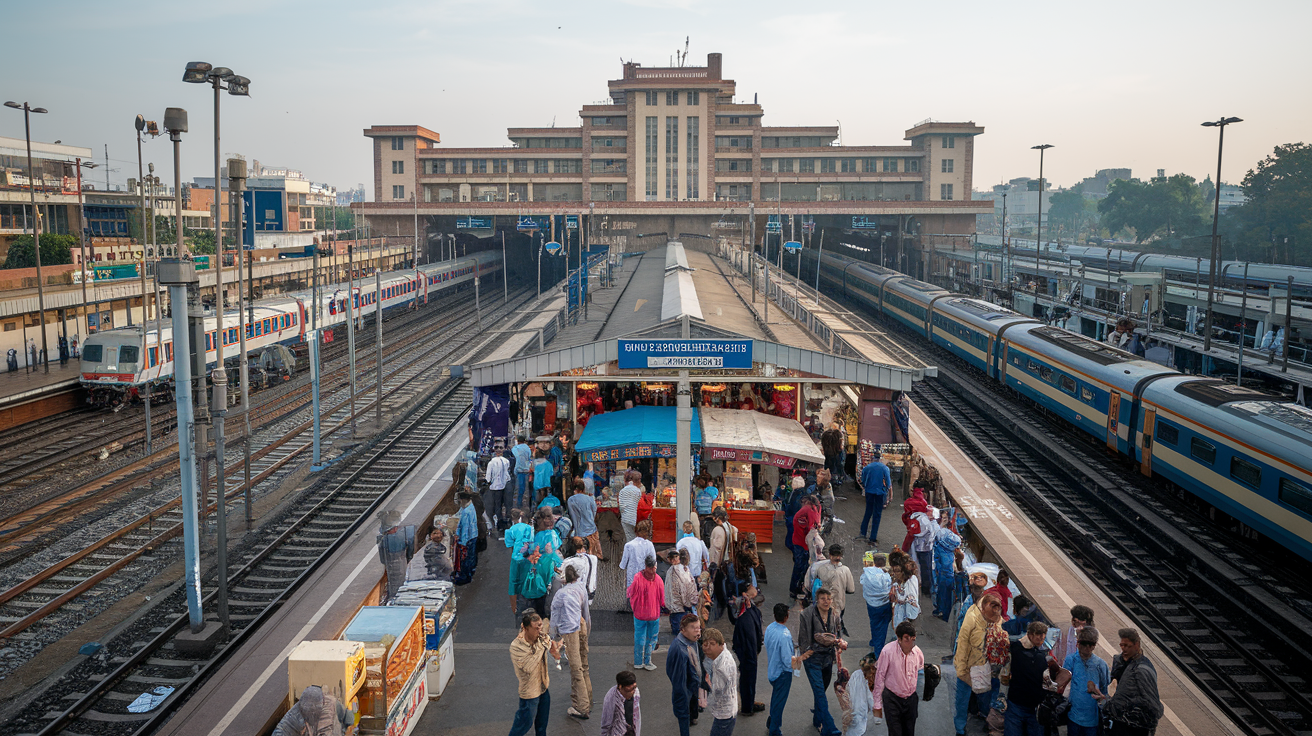


Introduction to Mumbai's Railway Network
Mumbai is famous for its extensive suburban railway system, often called the city's lifeline. If you're planning to travel or commute here, knowing how many railway stations Mumbai has can help you navigate better.
In this article, we'll explore the total number of railway stations in Mumbai, the major railway lines, and useful tips to make your travel smooth and efficient.
Overview of Mumbai's Railway System
Mumbai's railway network is one of the busiest in India, operated mainly by the Mumbai Suburban Railway. The network is divided into three main lines:
- Western Line
- Central Line
- Harbour Line
Each line serves thousands of commuters daily and connects various parts of the city and its suburbs.
How Many Railway Stations Are There in Mumbai?
Counting all the stations across the three main lines, Mumbai has approximately 120 railway stations within its suburban network.
The
Western Linehas around 36 stations, stretching from Churchgate to Dahanu Road.
The
Central Lineincludes about 50 stations, running from Chhatrapati Shivaji Maharaj Terminus (CSMT) to Kasara and Khopoli.
The
Harbour Linehas roughly 34 stations, connecting CSMT to Panvel and Goregaon.
These stations vary from major hubs like CSMT and Dadar to smaller local stops serving residential areas.
Key Railway Stations in Mumbai
Some of the most important stations you should know include:
- Chhatrapati Shivaji Maharaj Terminus (CSMT)
– A UNESCO World Heritage site and a major terminus for Central and Harbour lines.
- Dadar
– The busiest interchange station connecting Western and Central lines.
- Churchgate
– The southern end of the Western Line, close to Mumbai’s business district.
- Kurla
– A major junction for Central and Harbour lines.
- Vasai Road
– A key station on the Western Line connecting to Vasai-Virar suburbs.
Tips for Navigating Mumbai's Railway Stations
Traveling through Mumbai's railway stations can be overwhelming. Here are some tips to help you:
- Plan Your Route:
Use official railway apps or maps to check train timings and routes.
- Peak Hours:
Avoid traveling during morning (8-11 AM) and evening (5-8 PM) rush hours if possible.
- Station Facilities:
Larger stations like CSMT and Dadar have better amenities such as waiting rooms and food stalls.
- Ticketing:
Use smart cards or mobile ticketing apps to save time.
- Safety:
Always keep your belongings secure and stay alert, especially during crowded times.
Conclusion
Mumbai’s railway network is vast, with around 120 stations spread across its Western, Central, and Harbour lines. Knowing the key stations and how the network operates can make your travel experience much easier.
Whether you are a daily commuter or a visitor, understanding the layout and tips for navigating these stations will help you move around Mumbai efficiently and comfortably.
FAQs
How many railway stations are there in Mumbai?
Mumbai has approximately 120 railway stations across its Western, Central, and Harbour suburban railway lines.
Which is the busiest railway station in Mumbai?
Dadar station is the busiest interchange station connecting the Western and Central lines.
What are the main railway lines in Mumbai?
The main lines are the Western Line, Central Line, and Harbour Line, covering different parts of the city and suburbs.
Can I use smart cards for Mumbai local trains?
Yes, smart cards and mobile ticketing apps are widely accepted for convenient travel on Mumbai local trains.
Are all Mumbai railway stations connected to local transport?
Most major stations have good connectivity with buses, taxis, and auto-rickshaws for easy last-mile travel.