Best Way to Reach Nariman Point from Thane – 2026 Guide
Explore the best ways to reach Nariman Point from Thane with detailed options on trains, buses, cabs, and driving routes for 2026.
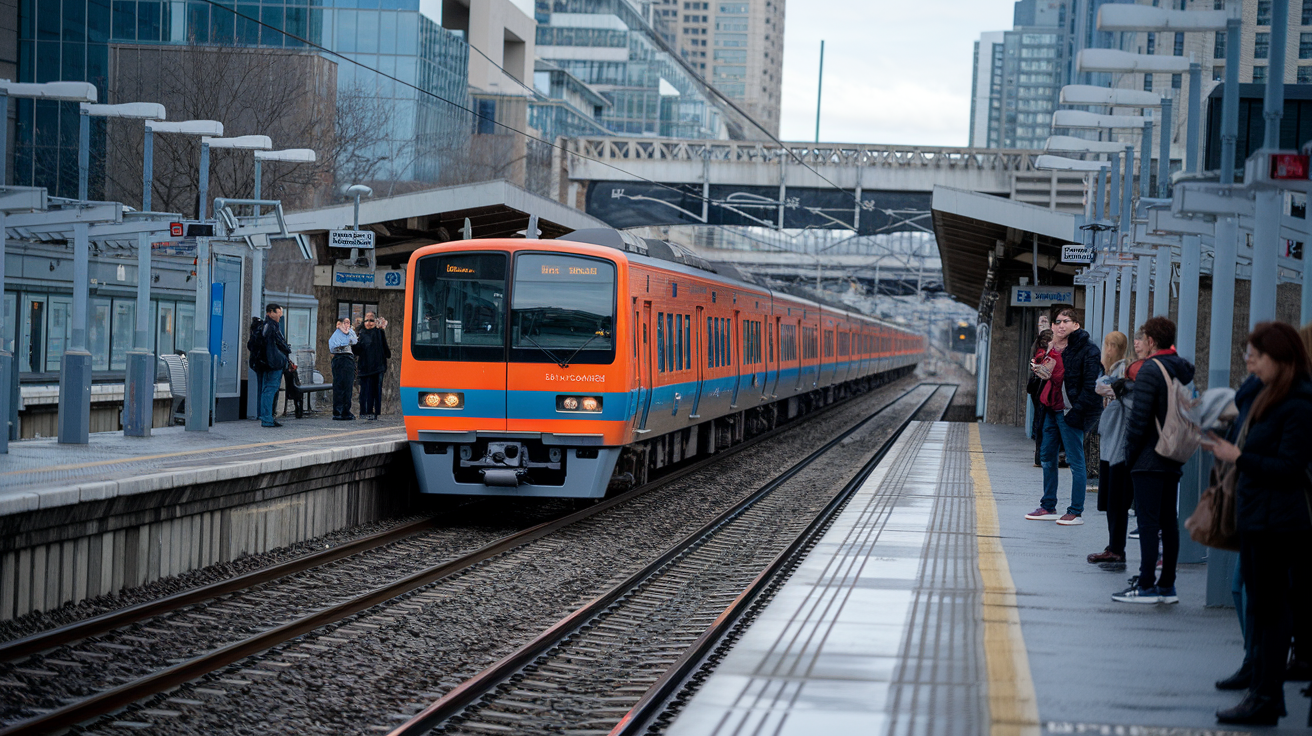


Traveling from Thane to Nariman Point is a common route for daily commuters and visitors alike. In 2026, understanding the best travel options can save you time and hassle. Whether you prefer public transport or private cabs, this guide covers practical ways to make your journey smooth.
We will explore multiple transport modes, including local trains, buses, cabs, and driving routes. You will learn about travel times, costs, convenience, and accessibility to help you choose the best option for your needs.
1. Local Train via Western and Harbour Lines
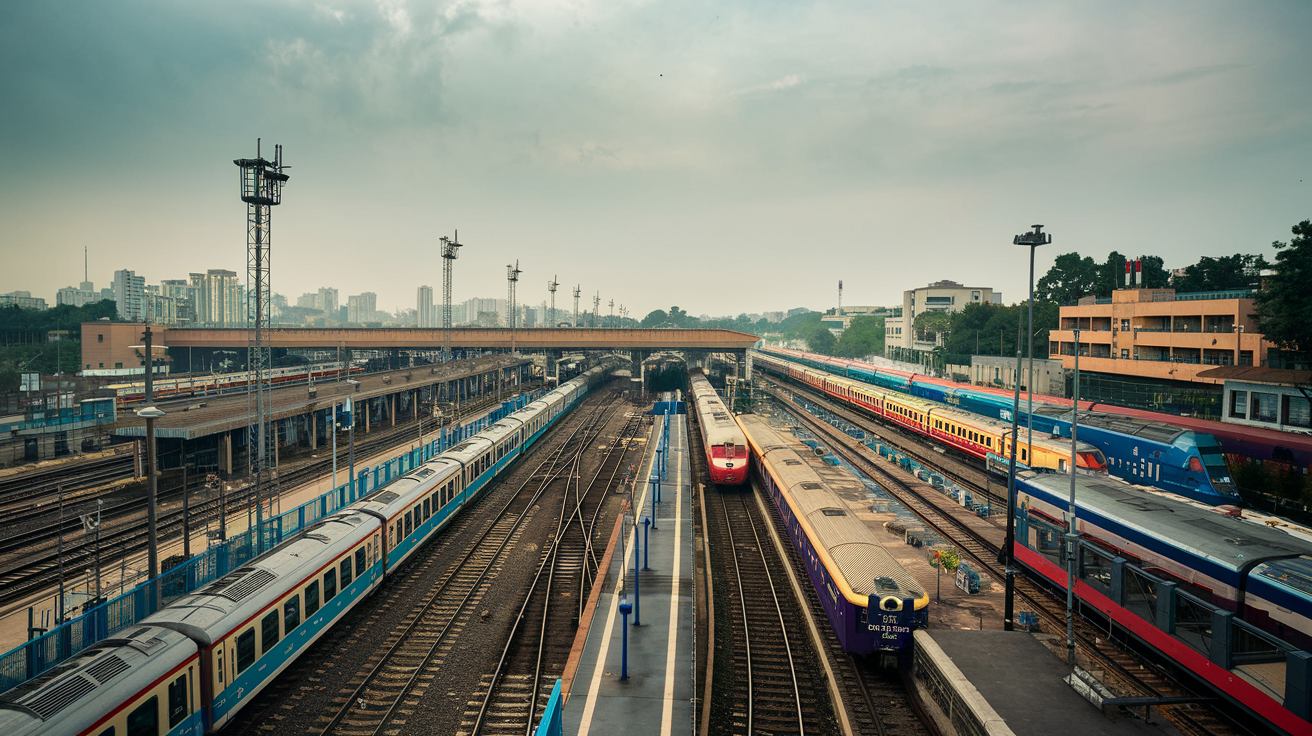
The local train is a popular and economical way to reach Nariman Point from Thane. You can take a train from Thane on the Central Line to Dadar, then switch to the Western Line towards Churchgate, which is near Nariman Point. This route is well-connected and avoids road traffic.
Travel Time: Approximately 60 to 75 minutes depending on train connections and waiting times.
Cost: Very affordable, with tickets costing under ₹50 for the entire journey.
Frequency: Trains run every 5 to 10 minutes during peak hours, ensuring minimal wait times.
Accessibility: Stations like Dadar and Churchgate have good facilities for differently-abled passengers.
Convenience: Avoids Mumbai road traffic but can be crowded during rush hours, especially mornings and evenings.
This option suits daily commuters and budget-conscious travelers comfortable with Mumbai's local train system and willing to manage some crowding.
2. Direct Bus Service via BEST and MBMT
BEST and MBMT buses offer direct and connecting routes between Thane and South Mumbai, including Nariman Point. Though slower than trains, buses provide a seat and scenic views of the city en route.
Travel Time: Around 90 to 120 minutes, depending on traffic conditions on the Western Express Highway and city roads.
Cost: Moderate fares ranging from ₹30 to ₹60 depending on bus type and route.
Frequency: Buses run every 15 to 30 minutes during the day on major routes.
Accessibility: Bus stops near Thane station and Nariman Point are well-marked and connected.
Comfort: Less crowded than trains but subject to Mumbai’s unpredictable traffic jams.
This option is suitable for travelers who prefer sitting during the journey and are flexible with travel time due to traffic variability.
3. Private Cab or Ride-Hailing Services
Using private cabs or ride-hailing apps like Ola and Uber is a convenient door-to-door option. It offers comfort and flexibility, especially if you have luggage or are traveling in a group.
Travel Time: Typically 60 to 90 minutes depending on traffic on the Eastern and Western Express Highways.
Cost: Higher than public transport, usually ₹600 to ₹1,000 depending on time and demand.
Availability: Readily available 24/7 with app-based booking and real-time tracking.
Comfort: Private, air-conditioned rides with direct routes and minimal walking.
Route Options: Drivers often use Eastern Express Highway and Marine Drive for faster access to Nariman Point.
This option is best for professionals, tourists, or anyone valuing comfort and time over cost, especially during off-peak hours.
4. Driving Your Own Vehicle
Driving from Thane to Nariman Point offers flexibility but requires navigating Mumbai’s heavy traffic. The route typically follows the Eastern Express Highway, then Marine Drive to Nariman Point.
Travel Time: Varies widely from 60 minutes to over 2 hours during peak traffic.
Parking: Limited and expensive parking options near Nariman Point; pre-planning is advisable.
Route: Eastern Express Highway to Marine Drive is the most common and direct route.
Cost: Includes fuel, tolls, and parking fees, which can add up significantly.
Convenience: Offers privacy and control but requires patience during rush hours.
Ideal for those who prefer driving themselves and can plan trips outside peak traffic times or have parking arrangements near Nariman Point.
5. Combination of Train and Taxi
A mixed mode of travel involves taking a local train from Thane to Churchgate or Marine Lines and then hiring a taxi or auto-rickshaw for the last mile to Nariman Point. This balances speed and convenience.
Travel Time: Around 70 to 90 minutes depending on train and taxi wait times.
Cost: Moderate, combining affordable train fare and a short taxi ride costing ₹100 to ₹200.
Flexibility: Allows avoiding heavy road traffic on the main route.
Accessibility: Train stations have multiple taxi stands for easy last-mile connectivity.
Comfort: Less crowded than full train journeys and more direct than buses.
This suits travelers who want to avoid full road travel but prefer some comfort and flexibility for the last leg of their journey.
6. Shared Taxis and Carpool Options
Shared taxis and carpooling services are emerging as cost-effective and eco-friendly options. They operate on fixed routes between Thane and South Mumbai, including Nariman Point.
Travel Time: Usually 70 to 100 minutes depending on passenger pickups and traffic.
Cost: Lower than private cabs, typically ₹150 to ₹300 per person.
Availability: Limited but growing, mostly during peak commuting hours.
Convenience: Offers door-to-door service with fewer passengers than buses.
Environmental Impact: Reduces traffic congestion and pollution by sharing rides.
Best suited for regular commuters looking to save on costs and reduce their carbon footprint while maintaining some convenience.
When to Visit or Use These Transport Options
Choosing the right time to travel from Thane to Nariman Point can improve your experience. Mumbai’s traffic and public transport demand vary throughout the day and week.
Early mornings (6 AM to 8 AM) and evenings (5 PM to 8 PM) are peak hours with crowded trains and heavy traffic.
Midday travel (10 AM to 3 PM) offers less crowded trains and smoother road traffic.
Weekends and public holidays usually have lighter commuter traffic but may have event-related congestion near Nariman Point.
During monsoon season, allow extra travel time due to waterlogging and slower traffic.
How to Choose the Best Way to Reach Nariman Point from Thane
Your choice depends on factors like budget, comfort, time, and convenience. Consider these points when deciding your travel mode.
Assess your budget: trains and buses are cheapest, cabs and private cars cost more but offer comfort.
Consider travel time: trains avoid traffic but may be crowded; cabs offer direct routes but face road congestion.
Evaluate convenience: door-to-door options suit those with luggage or mobility needs.
Check accessibility: stations and stops with good facilities help differently-abled passengers.
Review safety and hygiene, especially in public transport during peak seasons or health advisories.
Factor in flexibility: private vehicles and cabs allow travel at any time without waiting.
By weighing these factors, you can narrow down to the option that best fits your daily routine or occasional trips.
Conclusion
Traveling from Thane to Nariman Point offers several options, each with its own advantages. Local trains provide an affordable and relatively quick way, while buses and shared taxis offer alternatives depending on comfort and time.
Private cabs and driving offer flexibility but can be affected by Mumbai’s traffic. Understanding these choices helps you plan your journey efficiently and comfortably in 2026.
FAQs
What is the fastest way to reach Nariman Point from Thane?
The fastest way is usually a private cab during non-peak hours, taking about 60 minutes via Eastern Express Highway and Marine Drive.
Are there direct trains from Thane to Nariman Point?
No direct trains run to Nariman Point, but you can take a local train to Churchgate or Marine Lines and walk or take a short taxi ride.
How much does a local train ticket cost from Thane to Nariman Point?
Train tickets from Thane to Churchgate or Marine Lines cost under ₹50, making it an economical option for daily commuters.
Is it safe to travel by bus from Thane to Nariman Point?
Yes, BEST and MBMT buses are generally safe and reliable, though travel time can be longer due to Mumbai traffic conditions.
Can I use ride-hailing apps for this route?
Yes, Ola and Uber operate extensively between Thane and Nariman Point, offering convenient and comfortable rides at varying prices.